Government steps up poultry production
Gabon has started implementing an emergency poultry development programme aimed at increasing local broiler production and reducing the country's dependence on imported chicken.
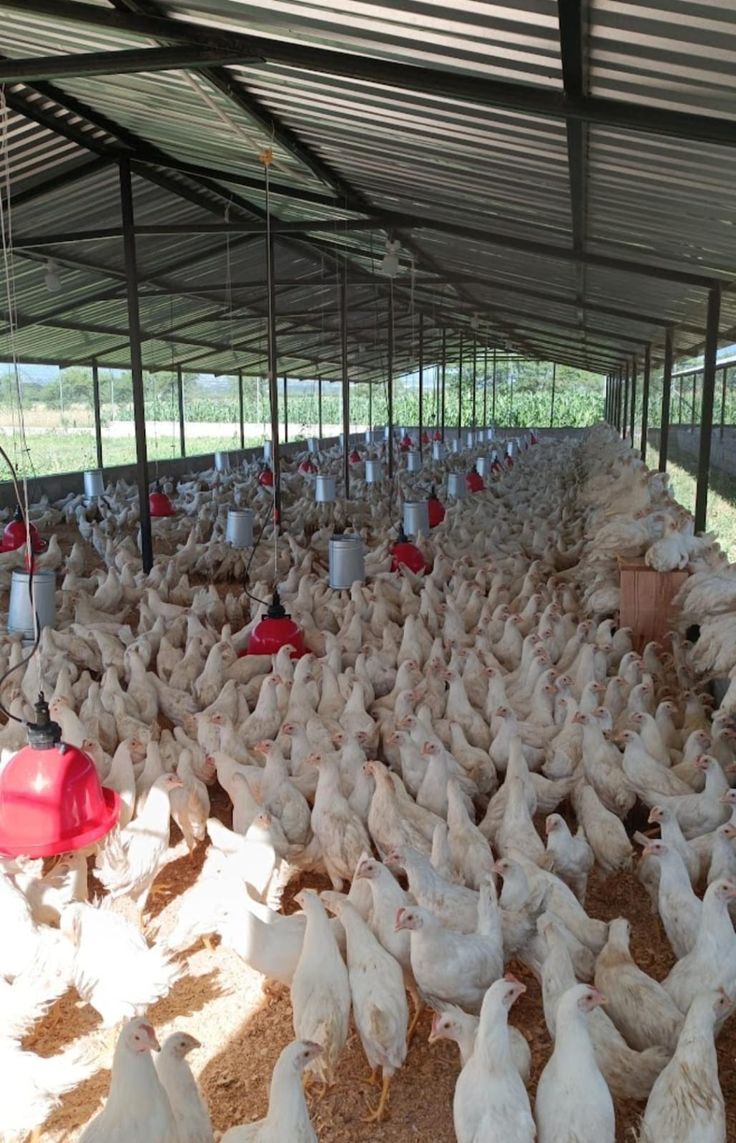
The initiative, known as the Plan opérationnel d’urgence de la filière avicole (POUFA), began with the arrival of 37,600 day-old chicks in Libreville on 19 November 2026.
The first consignment was distributed to eight poultry farms in Estuaire Province. It forms part of a wider first-phase programme covering 262,400 chicks scheduled for delivery to participating farms between 19 November and 17 December.
The government is also preparing to prohibit broiler chicken imports from 1 January 2027, making the development of domestic production an increasingly important priority.
Support extends beyond day-old chicks
The programme recognises that successful poultry production requires more than access to chicks.
Participating farmers are expected to receive support that includes poultry feed, veterinary products and other production-related assistance.
POUFA covers 150 selected farms, with the first support allocation involving 81 farms. Under the initial programme, authorities reported that 262,400 chicks, 1,200 tonnes of feed and veterinary supplies were included.
Sponsored
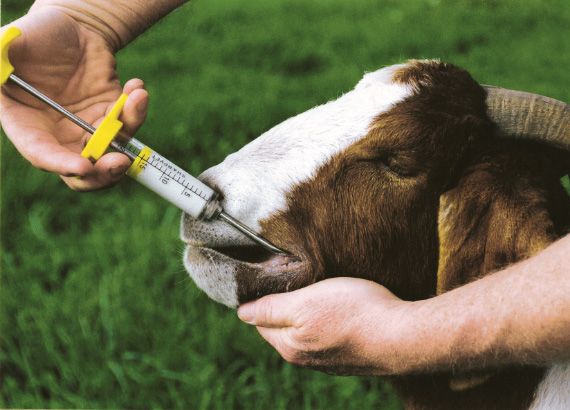
Veterinary kits have also been distributed to farms to strengthen disease prevention and prepare poultry facilities for incoming birds.
These measures are important because feed availability, flock health, housing and farm management all influence production costs and final output.
Can local production meet market demand?
The government expects approximately 500 tonnes of locally produced broiler chicken to reach markets and retail outlets in Libreville from 24 December, following the first production cycle.
Longer-term ambitions are considerably higher, with a national production target of 120,000 tonnes annually.
However, reaching that level will require sustained investment, reliable feed supply, improved farm infrastructure and stronger participation from commercial poultry operators.
The planned import restriction also creates pressure on producers to increase output without causing shortages or making chicken less affordable for consumers.
Conclusion
Gabon’s poultry expansion programme presents an opportunity to strengthen domestic production, support local farmers and develop the country's poultry value chain. However, reducing dependence on imported chicken will require consistent production rather than temporary increases in chick deliveries. Access to affordable feed, veterinary services, financing and reliable markets will determine whether local poultry businesses can meet the country's growing demand.