A major threat to sheep and goat production
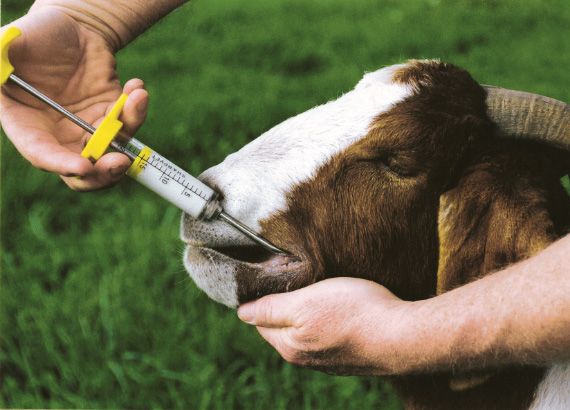
African livestock stakeholders are increasing efforts to tackle Peste des Petits Ruminants (PPR), a highly contagious viral disease affecting sheep and goats.
The disease continues to threaten livestock productivity, rural livelihoods and food security in communities where small ruminants are an important source of income, meat and household savings.
The issue was highlighted during the Second Annual Session of the Continental Advisory Group and a High-Level Financing and Investment Dialogue held in Abidjan, Côte d’Ivoire, on 16–17 November 2026.
The meeting brought together African government representatives, veterinary authorities, development partners and international organisations to review progress and identify priorities for the coming years.
A US$1.3 billion financing requirement Participants highlighted the estimated US$1.3 billion required for the continental PPR eradication programme.
Discussions included a call for the African Development Bank to support at least 20% of the estimated programme cost. Countries were also encouraged to meet the minimum 30% national financing commitment agreed under the Nairobi Declaration.
The discussions emphasised that disease-control programmes require predictable funding rather than occasional emergency interventions.
Sponsored
National veterinary services need adequate resources for vaccination, surveillance, laboratory capacity, disease reporting and farmer education.
Why regional cooperation matters
Livestock movements across national borders make coordinated disease control particularly important.
An outbreak in one country can create risks for neighbouring livestock populations, particularly where pastoral communities move animals across shared grazing areas and trade routes.
The meeting therefore called for an approach that coordinates surveillance and vaccination across connected livestock populations.
Organisations including the African Union Inter-African Bureau for Animal Resources, FAO, the World Organisation for Animal Health and the International Atomic Energy Agency are among the institutions supporting the wider eradication effort.
Conclusion
The ambition to eliminate PPR by 2040 will require more than technical commitments. African countries must translate regional agreements into funded vaccination programmes, stronger veterinary services and effective disease surveillance. Protecting sheep and goat production is essential not only for livestock development but also for the millions of households that depend on small ruminants for income, nutrition and economic security.