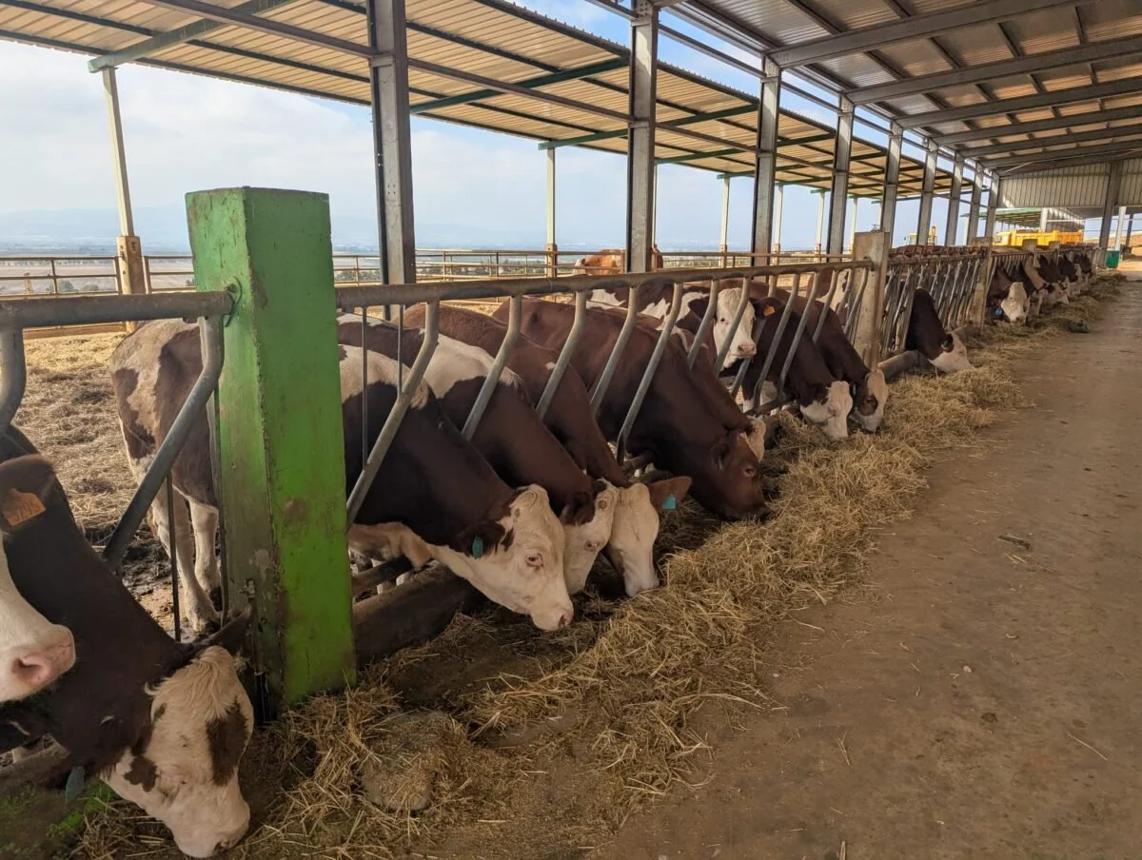
Algeria suspends live cattle imports
Algeria has suspended live cattle imports until further notice and withdrawn existing sanitary import exemptions following concerns surrounding animal-health monitoring.
The decision was communicated to economic operators by the country's General Directorate of Veterinary Services on 22 October 2026, according to industry reporting.
The suspension comes amid reports of foot-and-mouth disease cases in Jijel and Sétif provinces, where authorities introduced livestock-market closures and animal movement restrictions to limit the spread of the disease.
The authorities' import notice cited health-related concerns but did not identify a specific disease as the formal reason for the import suspension.
Pressure on meat supply
The development comes at a challenging time for Algeria's livestock and meat markets.
Data cited by the French Livestock Institute indicate that beef consumption increased by 42% in 2024 to approximately 246,000 tonnes, while domestic beef production declined by 5% to around 154,000 tonnes.
The difference between domestic production and consumption has contributed to the country's reliance on imported beef.
According to figures cited in the same industry report, beef imports rose from approximately 12,000 tonnes in 2023 to 92,000 tonnes in 2024.
Sponsored
The suspension of live cattle imports could therefore create additional challenges for importers and businesses involved in meat processing and distribution.
Animal health remains a priority
Foot-and-mouth disease is a highly contagious viral disease affecting cloven-hoofed animals, including cattle, sheep, goats and pigs.
Outbreaks can disrupt livestock movements, trade and market access, creating financial losses for farmers and other industry participants.
Control measures commonly include movement restrictions, surveillance, vaccination where appropriate and biosecurity measures.
For Algeria, managing the reported outbreaks while maintaining adequate meat supplies will be an important challenge.
Implications for livestock businesses
The situation highlights the relationship between animal health and livestock trade. A disease outbreak can affect not only farmers but also livestock traders, transporters, slaughterhouses, processors and retailers.
The duration of the import suspension and the effectiveness of disease-control measures will influence how the market responds.
Why this story matters: It demonstrates how animal-health risks can affect national meat supplies, livestock prices and international agricultural trade.