Farm & Livestock News Africa
Independent Agriculture Reporting
FEATURED STORY
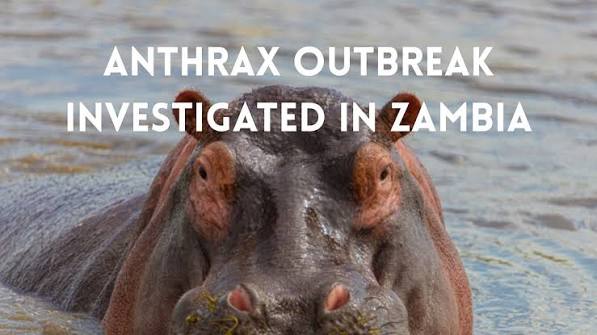
A wave of unexplained animal deaths along the Munyamadzi River has turned into one of Zambia's most closely watched health emergencies of the year. With hippos, elephants and buffalo dying in the dozens — and a dozen villagers now infected after eating bushmeat — authorities are racing to contain a disease that has stalked this corner of Africa for over a century.
nutrition
equipment_mechanisation
technology_innovation
Sponsored
Stay updated with the latest in agriculture and livestock
Africa's food and nutrition security challenges are frequently discussed in terms of seeds, fertiliser access, and climate shocks. Less visible, but arguably just as foundational, is the health of the soil itself — and a growing body of evidence suggests that restoring degraded soil may be one of the more directly effective ways to improve both crop yields and the nutritional quality of what those crops actually produce.
Staff Writer • Sep 19, 2026
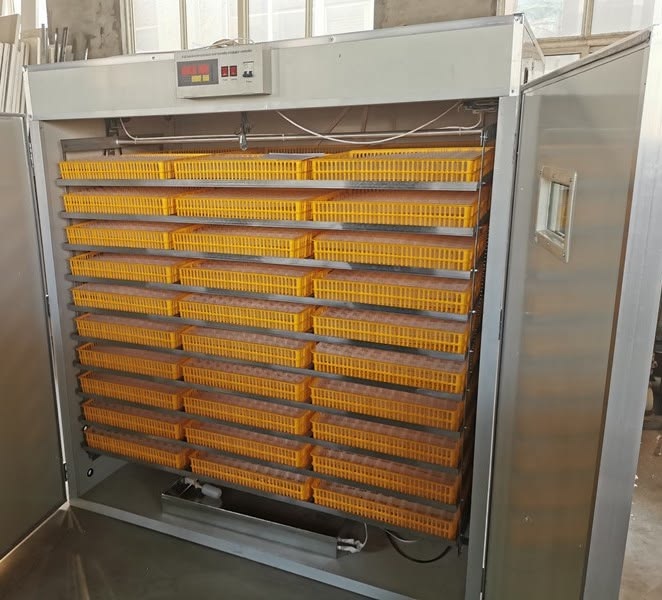
Behind every new commercial poultry farm rising across Africa — from Ethiopia's emerging mega-hatcheries to Nigeria's expanding broiler operations — sits a less visible but equally critical industry: the manufacturers and suppliers of the incubators, hatchery automation systems, and processing equipment that make large-scale poultry production possible in the first place. As Africa's poultry sector expands to meet rising demand for affordable protein, the equipment supply chain behind it is scaling up right alongside it.
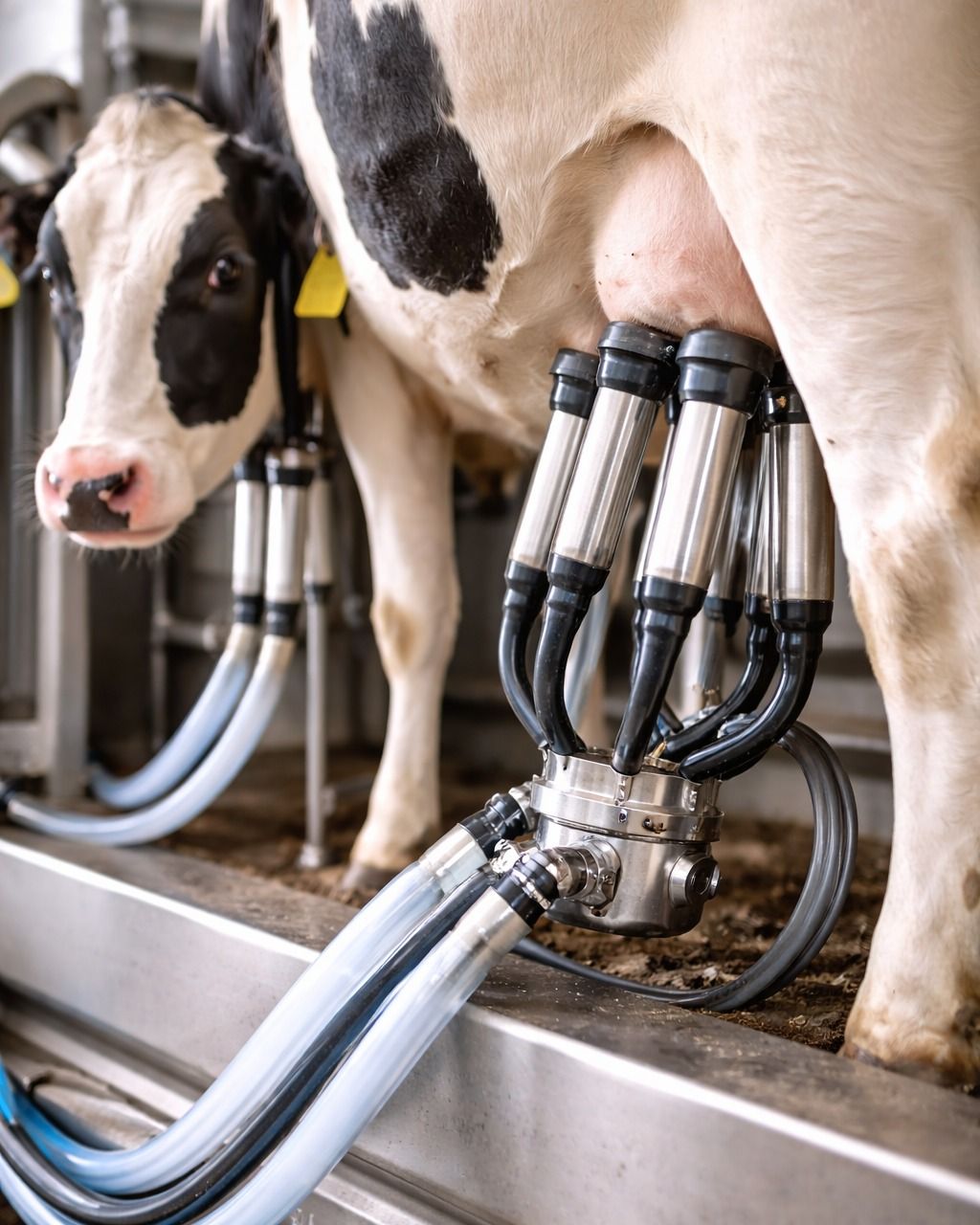
Since the world's first robotic milking system was installed on a Dutch dairy farm in 1992, the technology has spread to more than 40,000 dairy operations worldwide. Africa's dairy sector, by contrast, has remained largely untouched by the shift — but that's beginning to change, as South African dairy farmers and industry publications start seriously weighing whether automated milking makes commercial sense on the continent.
livestock_farming
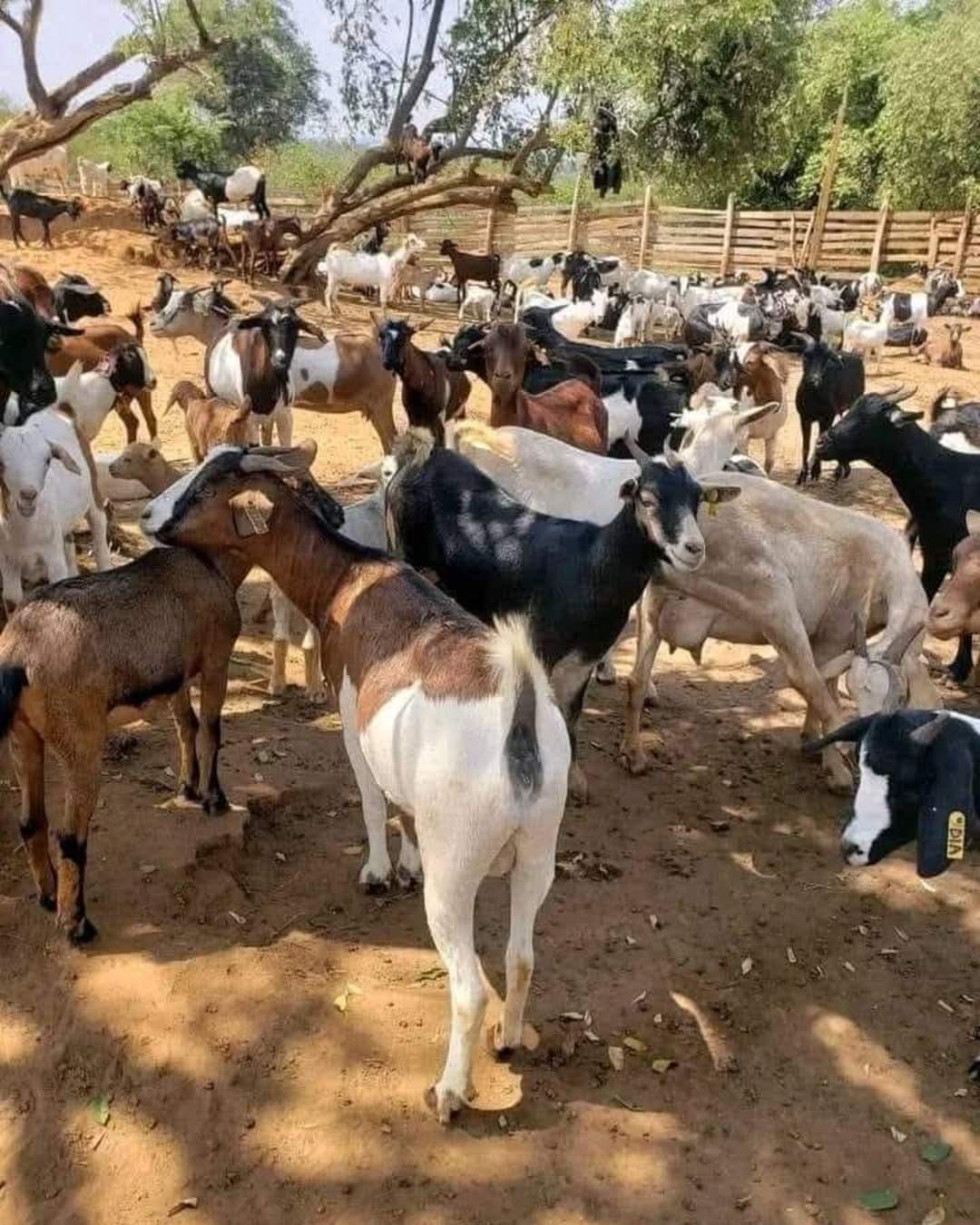
For decades, livestock investment conversations across Africa have orbited almost entirely around cattle, dairy, and poultry. That's starting to change, as goat and pig farming increasingly draw serious commercial attention from investors, entrepreneurs, and development finance institutions who see underexploited economics in animals long dismissed as smallholder side ventures.
crop_production
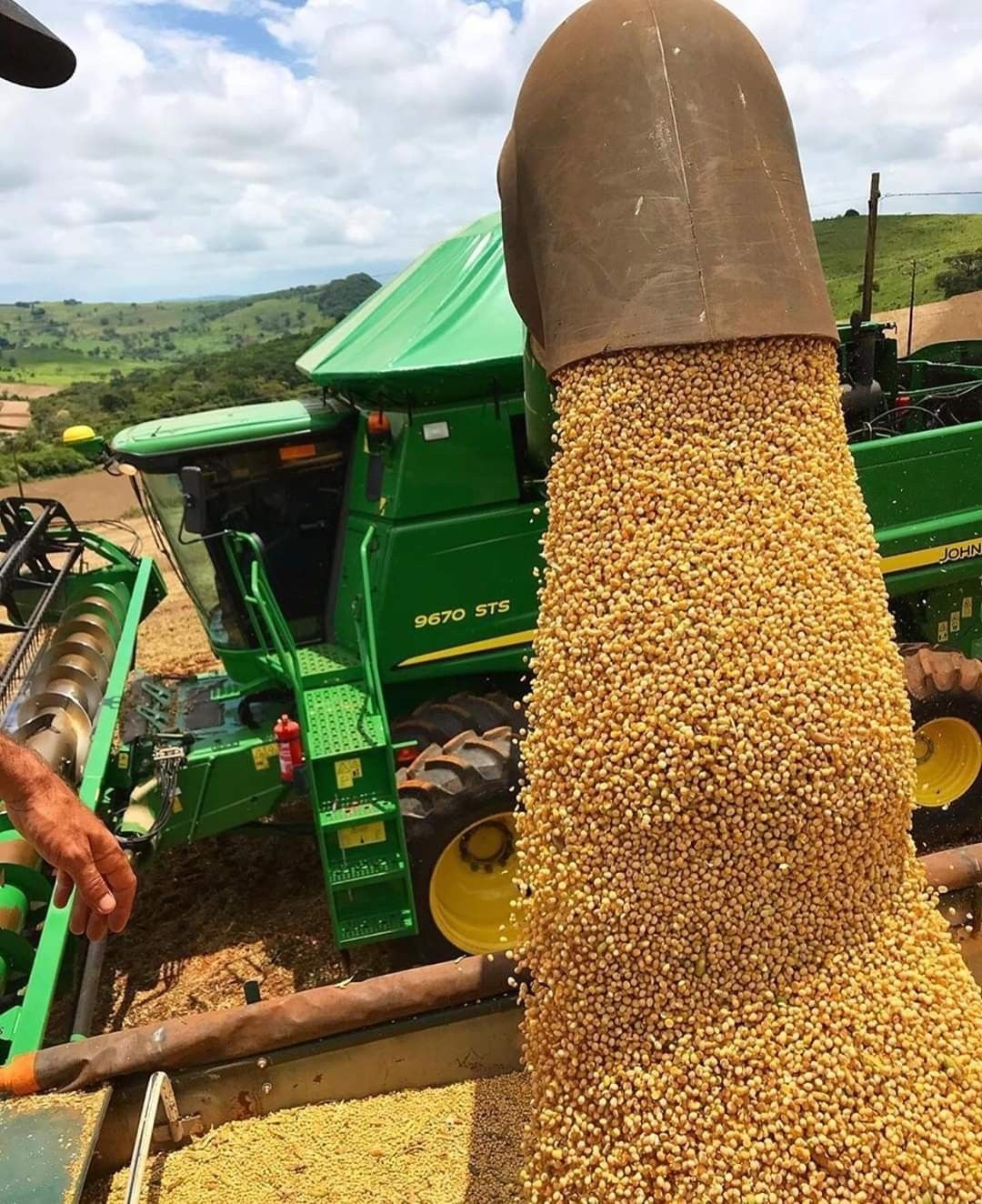
Southern Africa's grain belt has produced back-to-back bumper harvests, and the 2025/26 season is shaping up as one of the strongest in years across South Africa, Zambia, and Zimbabwe simultaneously. Yet as the region's Agricultural Networking and Advocacy Programme for Rural Initiatives has bluntly put it regarding Zambia's position: a bumper harvest does not automatically become export earnings.
agribusiness
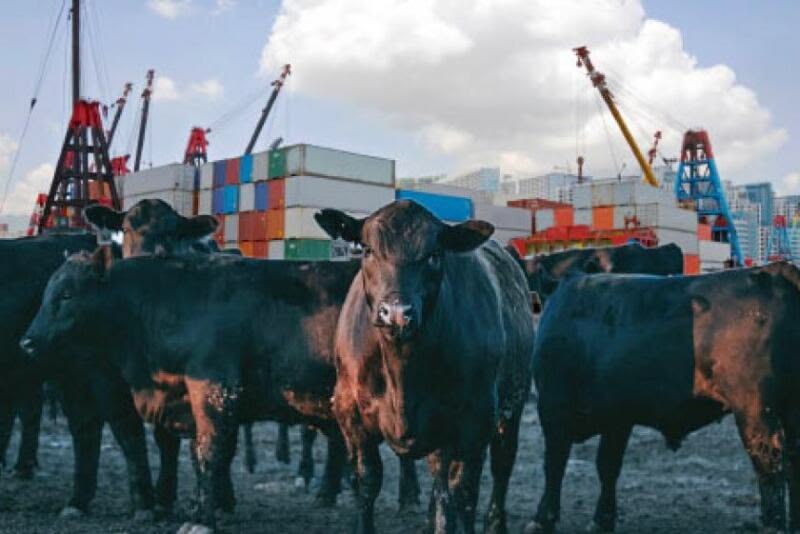
Southern Africa's beef export industry is navigating one of its most consequential stretches in years, with a temporary US tariff window creating a rare opportunity even as Botswana's most lucrative European market abruptly closed. For an industry built on tight sanitary margins and long-negotiated trade protocols, the past several months have delivered both genuine opportunity and a sharp reminder of how fragile export access can be.
Staff Writer • Sep 16, 2026
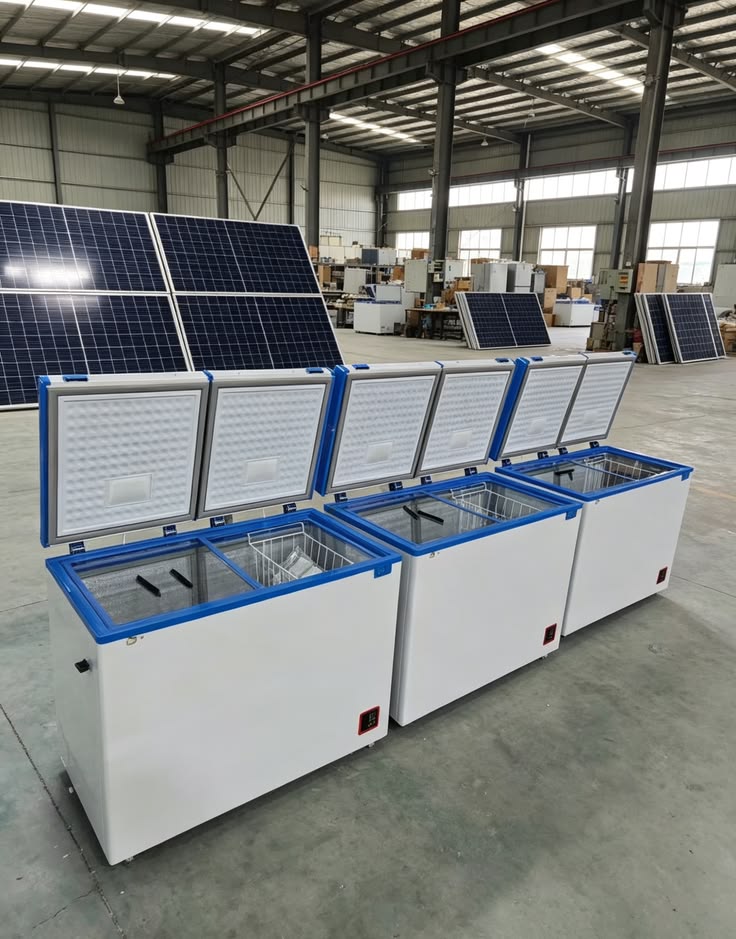
Investors are betting big on solar freezers and biodigesters as Africa loses up to 40% of harvests before they reach market. Here's why the money moved.
Staff Writer • Sep 10, 2026
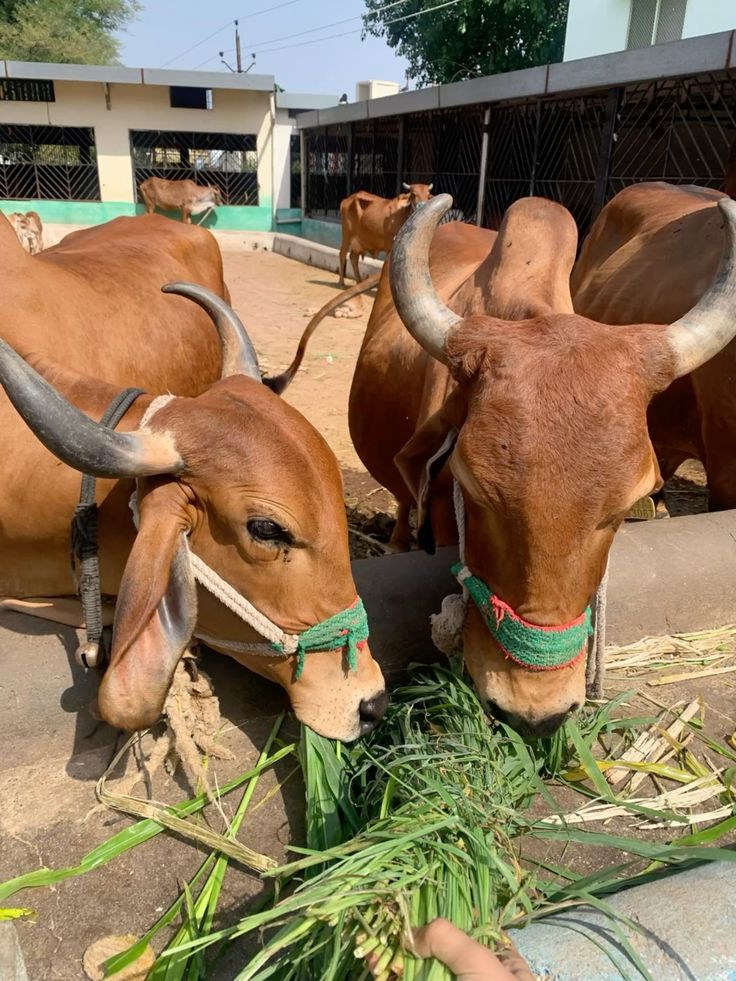
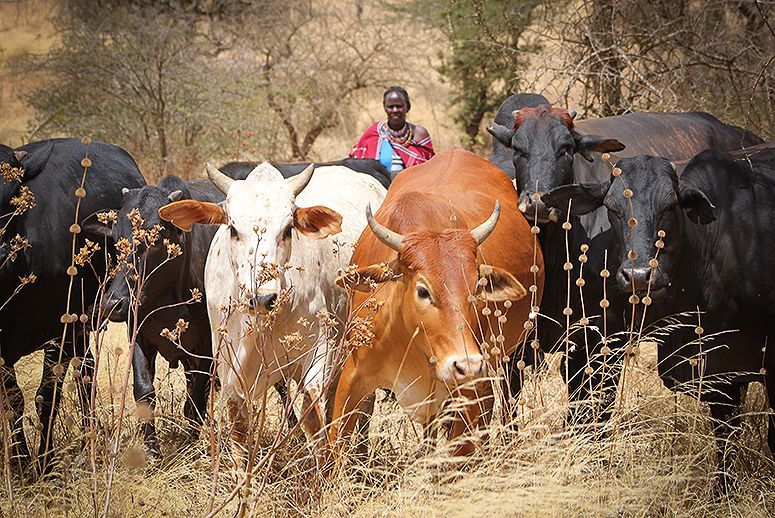
Africa's livestock sector generates over $210bn a year, yet the continent imports much of its meat and milk. Nigeria and AU-IBAR are betting big on change.
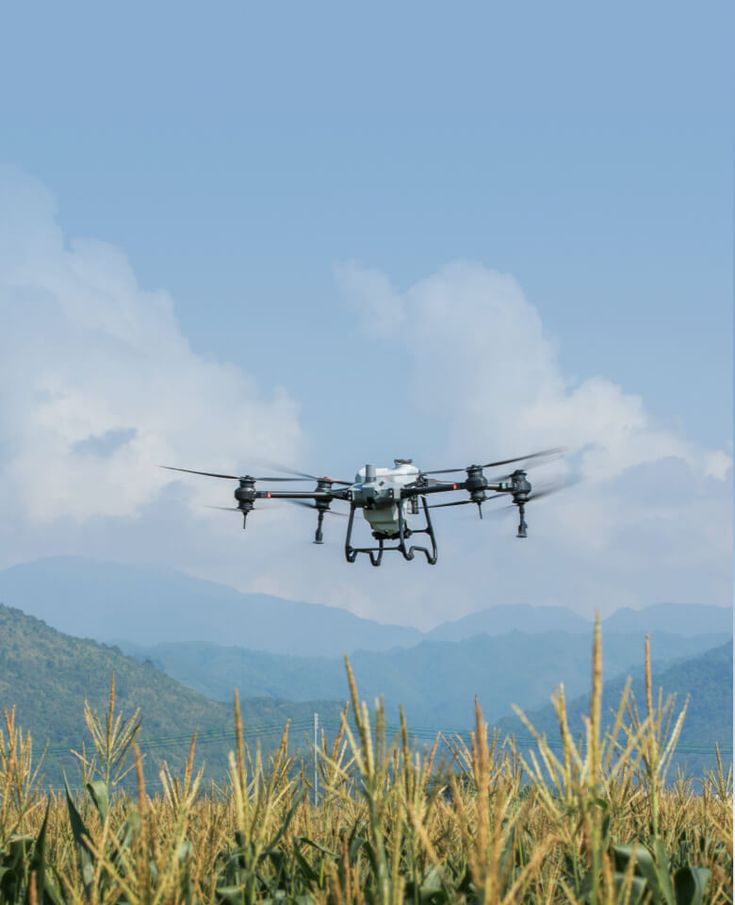
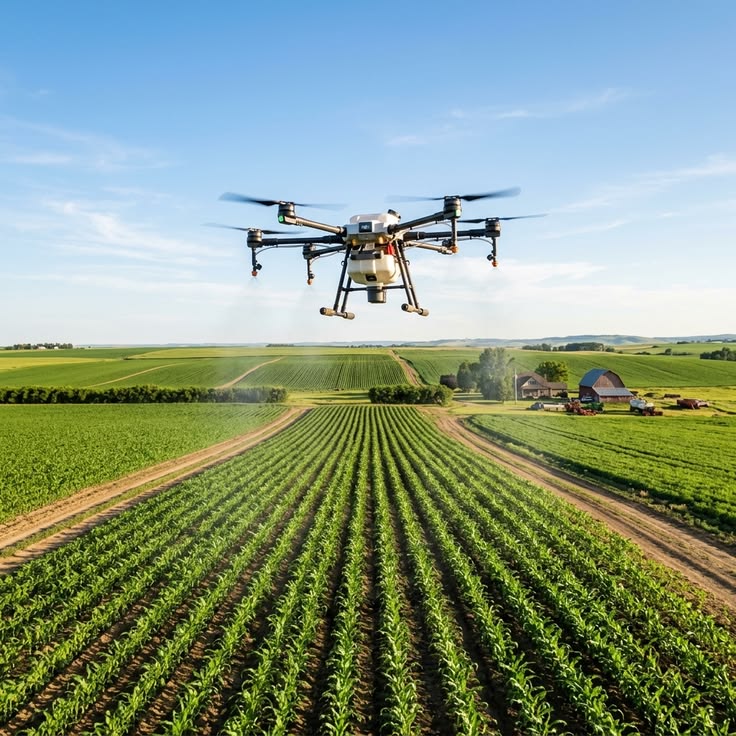
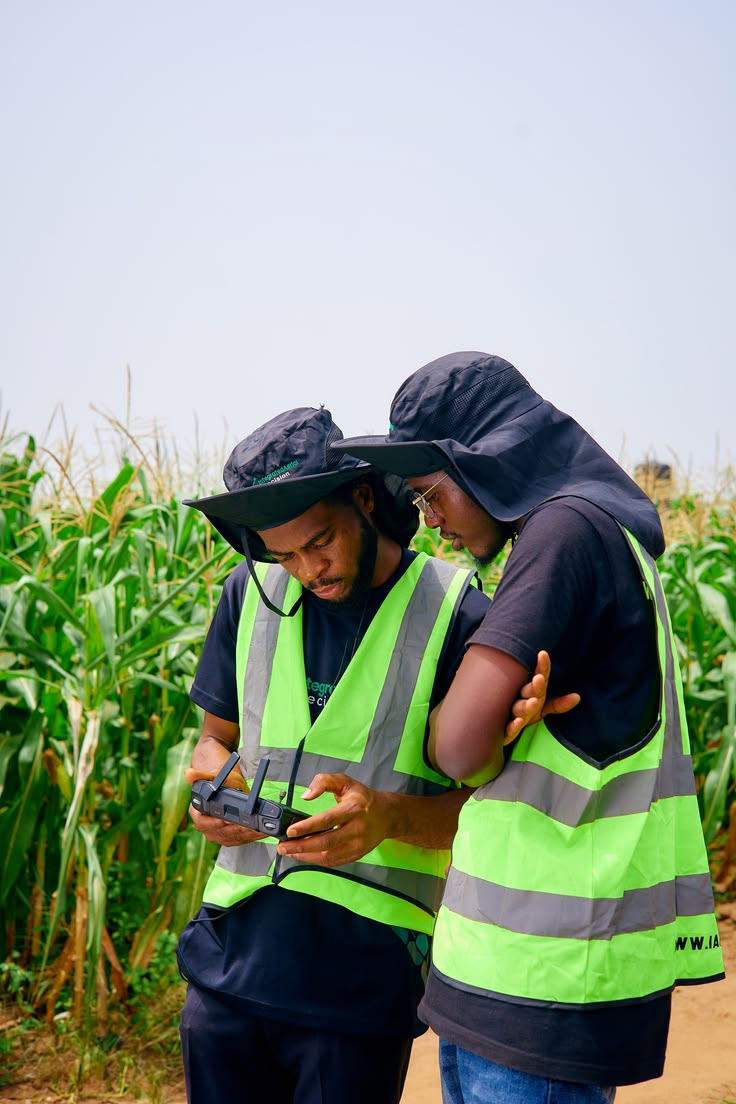
Drones diagnose sick crops in hours, not weeks, and AI chatbots now speak to farmers in local languages. Inside Africa's fast-moving agritech boom.
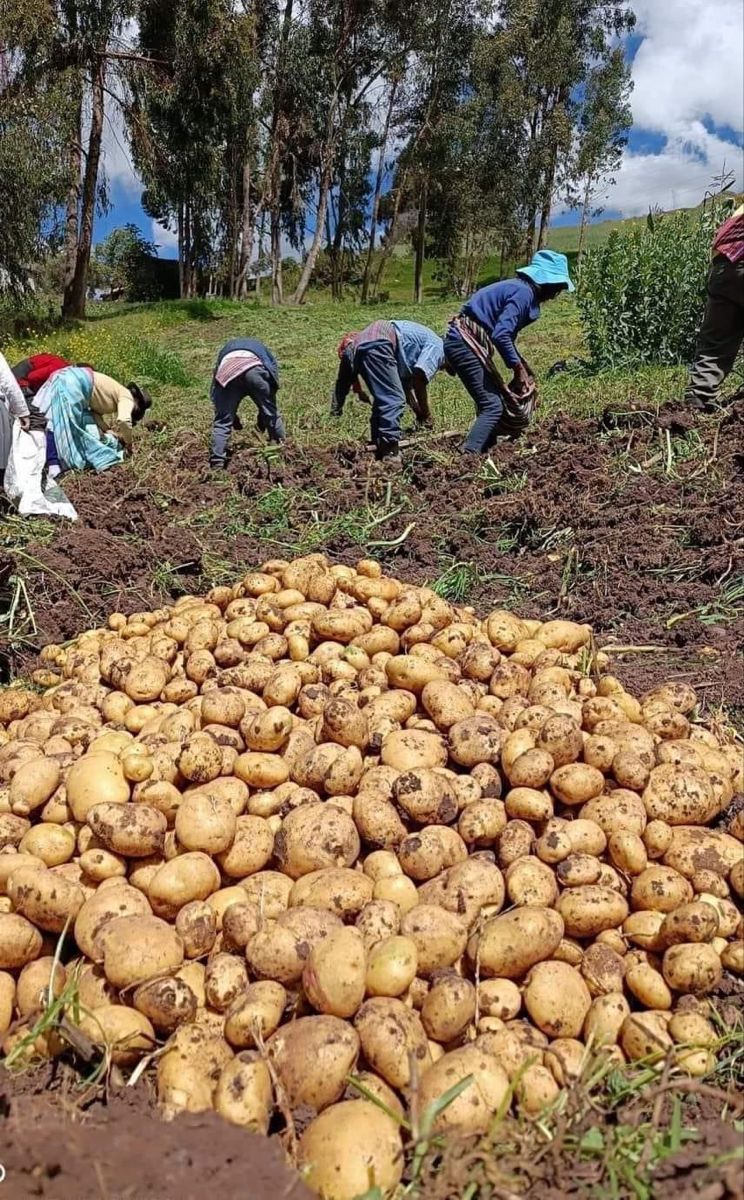
For as long as anyone can remember, growing potatoes has meant hauling tonnes of bulky, disease-prone seed tubers from farm to farm. In Kenya, a Dutch agtech company has spent years proving there's another way — one where a season's planting material fits in an envelope instead of a truck. More than 200 Kenyan farmers are now growing potatoes from true seed instead of tubers, and the rest of Africa is watching closely.
Staff Writer • Aug 29, 2026
Micronutrient deficiencies affect an estimated 2 billion people globally, with sub-Saharan Africa carrying a disproportionate share of the burden — iron, vitamin A, iodine, zinc, calcium, selenium, folate and vitamin B12 deficiencies remain widespread across the region. Large-scale food fortification, the practice of adding these micronutrients to commonly consumed, industrially processed foods, has long been considered one of the most cost-effective tools available to address the problem at a population level
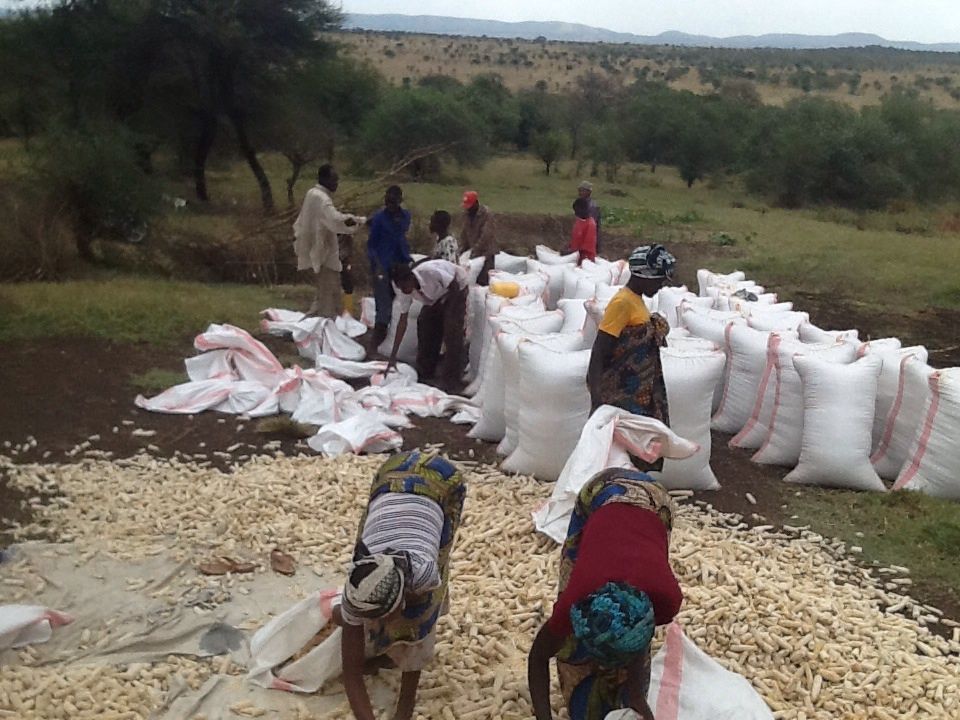
It cannot be seen, smelled or tasted, yet it may be one of the biggest hidden threats to food safety and child nutrition across Africa. Aflatoxin — a toxic compound produced by the fungi Aspergillus flavus and Aspergillus parasiticus — contaminates maize and groundnuts at both the pre-harvest and post-harvest stages, and is classified as carcinogenic, mutagenic and capable of causing developmental harm, with particularly severe consequences for young children's growth and immune function.
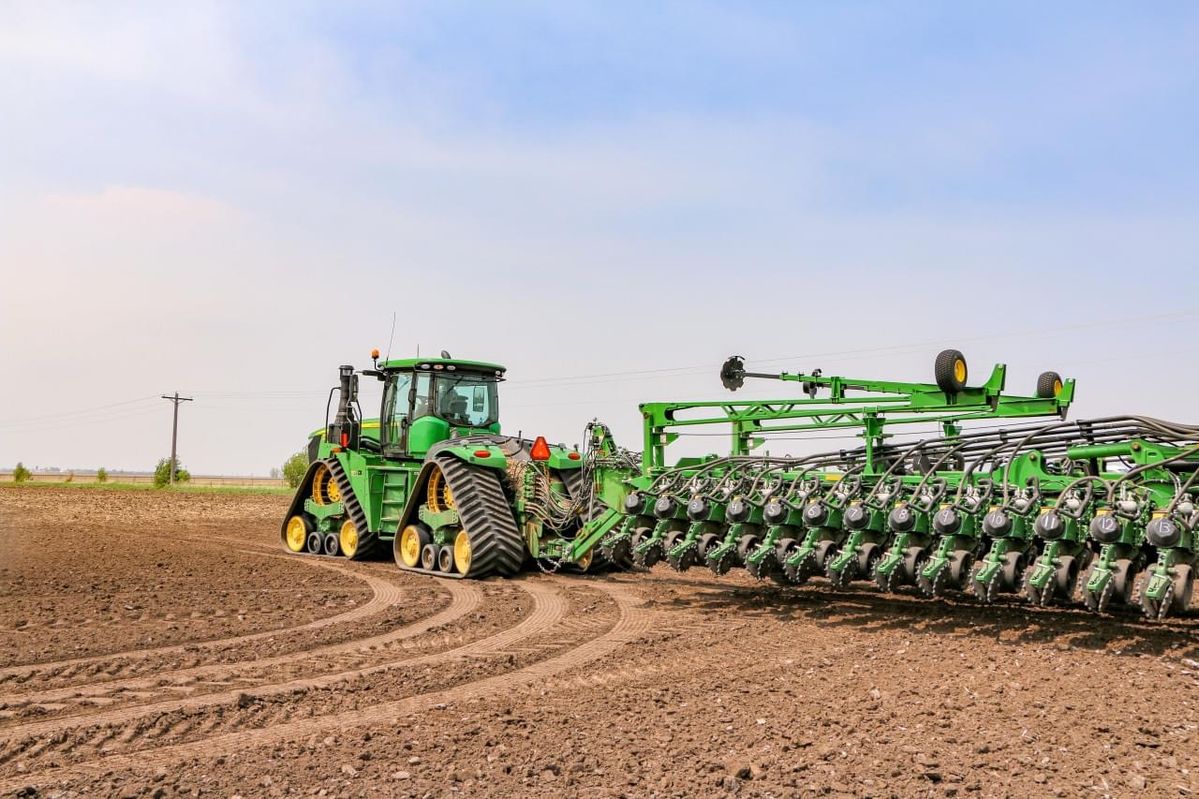
Africa's agricultural tractor market is projected to grow from roughly $1.8 billion in 2026 to as much as $3.54 billion by 2035, an annual growth rate of nearly 8 percent, according to industry market analysis. A separate assessment puts the current tractor and machinery market at $2.58 billion in 2026, rising to $3.26 billion by 2031
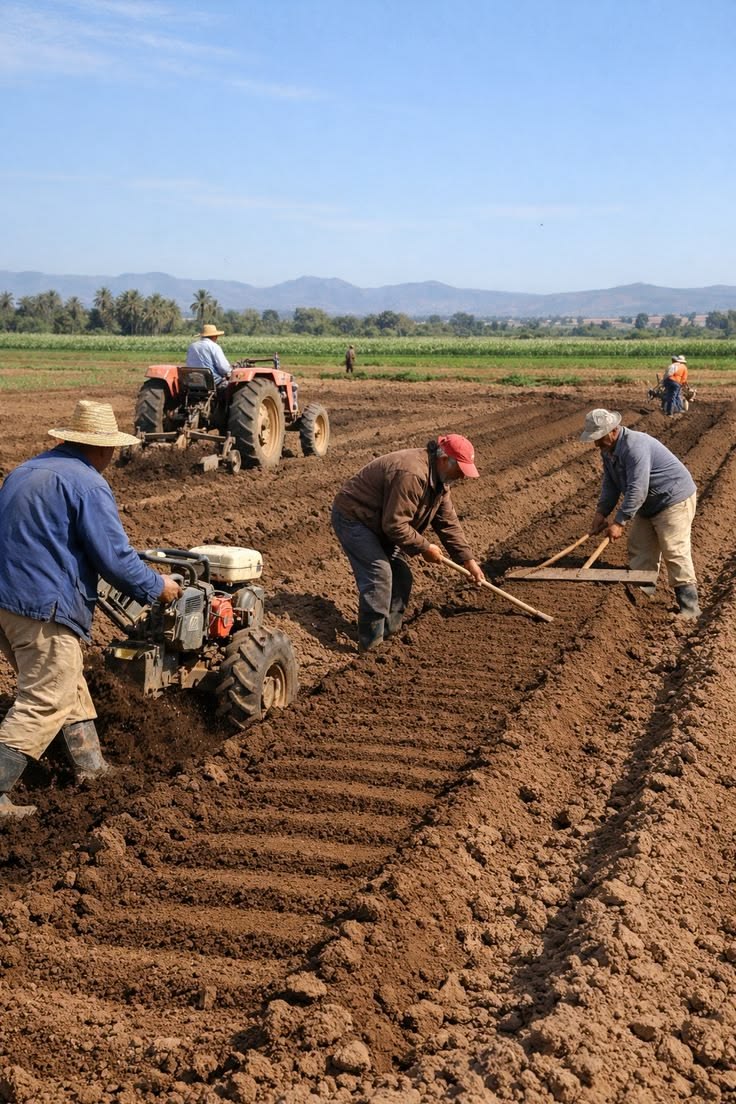
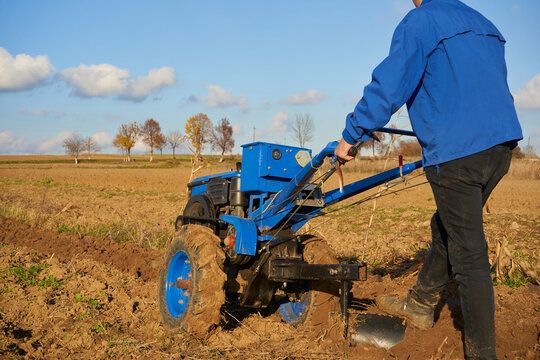
When policymakers, private sector actors and youth representatives gathered in Dar es Salaam in February 2026 for the first Africa Regional Conference on Sustainable Agricultural Mechanization, the consensus that emerged ran counter to decades of conventional mechanization thinking: the future of African farm machinery isn't more large tractors distributed through government subsidy schemes
South African agritech company Aerobotics now monitors more than 50 million individual trees across 18 countries using drone-captured imagery and artificial intelligence, tracking everything from pest infestations to irrigation stress on a tree-by-tree basis for fruit farmers who, a decade ago, would have relied entirely on manual scouting and guesswork. It's one of the clearest signs that precision agriculture
African agritech startups raised a combined total of just $200,000 in January 2026 — not million, thousand — according to funding data tracked for the FINAS 2026 conference in Nairobi. It was, by most measures, the lowest single month for the sector in years
For pastoralist communities across the Horn of Africa, drought has traditionally meant one brutal, binary outcome: herds survive, or they don't. Losing a herd to failed rains doesn't just wipe out an asset — it erases savings, collateral and the entire economic foundation of a household in a single dry season. Index-based livestock insurance (IBLI) was designed to break that binary by paying out before animals start dying, not after.
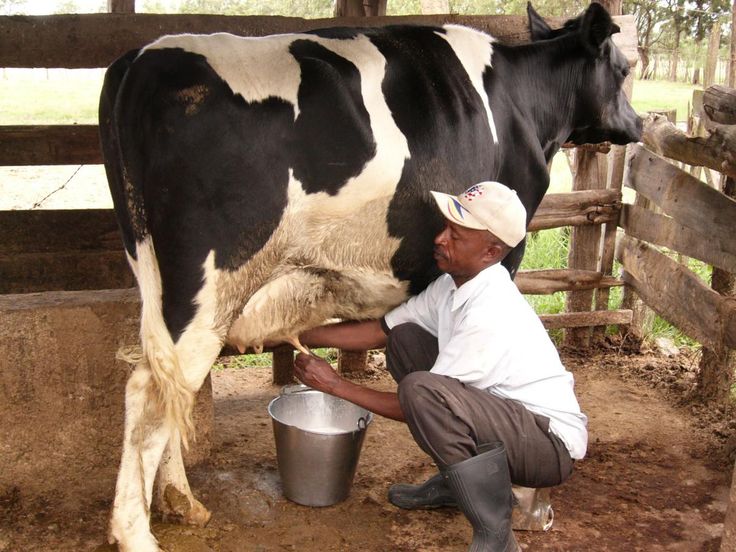
An average African dairy cow produces just 6 percent of the annual milk yield of a cow in an OECD country, according to figures presented by the International Livestock Research Institute (ILRI) at the Africa Food Systems Forum
Inside a growing number of bakeries across African cities, wheat is losing ground on the shelf. Loaves, cakes and pastries made from cassava, millet and sorghum flour are showing up alongside — and in some cases replacing